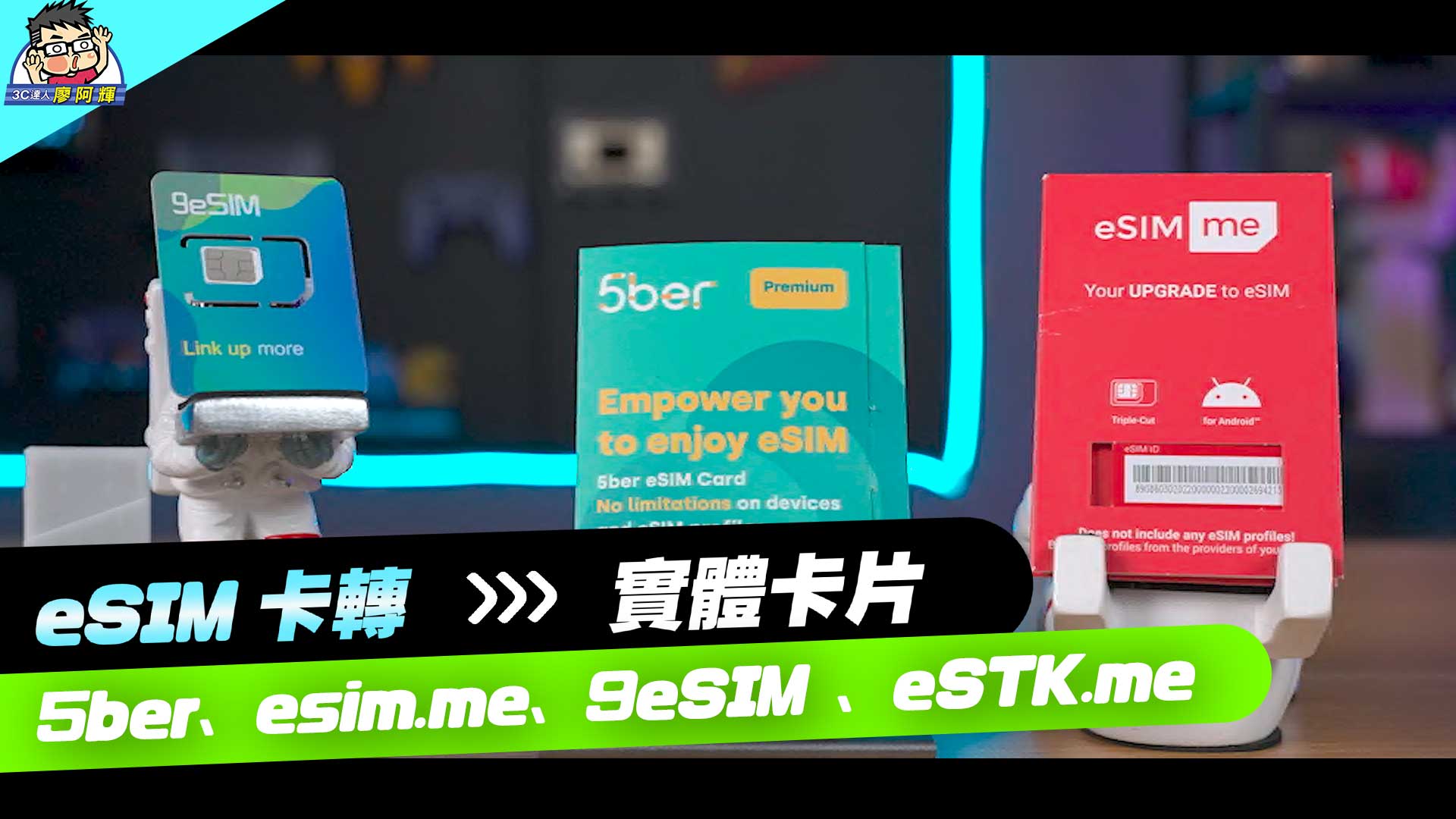
Your Go-To eSIM Guide for Smarter Travel
Tired of hunting for local SIM cards or racking up surprise roaming fees the second you land? An eSIM for travel lets you buy and activate a digital data plan online before your trip, so you’re connected the moment you step off the plane. Simply scan a QR code or download a profile, and your phone handles the rest, letting you keep maps, translations, and social feeds running without swapping physical cards. It’s the hassle-free way to stay online anywhere.
Why Traditional Roaming Fails Globetrotters
Traditional roaming fails globetrotters because it locks you into jaw-dropping daily fees and unpredictable data caps that drain your budget before you’ve even left the airport. Instead of seamless connectivity, you face throttled speeds and surprise surcharges the moment you cross a border. eSIM technology bypasses this chaos by letting you instantly switch to a local or regional plan from your phone, without hunting for physical SIMs or paying carrier premiums. Yet many travelers overlook how roaming’s biggest failure is its inflexibility, forcing you into a one-size-fits-all contract that bears no relation to your actual itinerary. With eSIM, you pay only for the data you need, where you need it, turning roaming from a liability into a tool for unscripted adventure.
Hidden fees and surprise charges from legacy carriers
Legacy carriers often bury hidden roaming fees in fine print, hitting globetrotters with surprise charges for simply receiving a text or using navigation. These unexpected bills stem from opaque data packs that auto-renew at punitive rates or «free» roaming zones that secretly trigger per-megabyte costs. eSIMs eliminate this shock by offering transparent, China eSIM upfront pricing with no lurking fees.
Why do legacy carriers add hidden charges even when I buy a travel pass? Many passes only cover basic data, while streaming, tethering, or using certain networks incurs separate, undisclosed fees that eSIM plans never apply.
The hassle of physical SIM swaps between destinations
Fumbling with a paperclip while juggling a suitcase in a foreign airport perfectly captures the hassle of physical SIM swaps between destinations. Each new country means hunting down a local shop, buying a tiny card, and praying you don’t drop your current SIM into a crevice. Lose that original chip, and you’ve locked yourself out of your primary number. The process turns a quick layover into an ordeal. Q: Why is swapping SIMs so annoying between countries? A: You’re manually switching profiles each time, risking lost cards and losing service during your first hour in a new city.
Spotty connectivity in remote or multi-country trips
Spotty connectivity in remote or multi-country trips stems from a single physical SIM being locked to one home network’s roaming agreements. When crossing borders, the phone must hunt for a new partner carrier in each country, often latching onto weak or congested towers, especially in mountainous or rural zones. This handoff delay and poor signal cause repeated disconnections. An eSIM sidesteps this by storing multiple local profiles, allowing you to switch to a strong regional carrier without swapping cards. The logical sequence of improvement is: reliable multi-network switching via eSIM.
- Pre-load local or regional profiles before departure.
- Activate profile for the country you enter.
- If signal drops, instantly switch to a backup profile from a different network.
- Maintain consistent data during border crossings.
Key Benefits of Going Digital with Your SIM
Going digital with an eSIM for travel eliminates the need to physically swap plastic SIM cards, allowing you to activate a local data plan instantly upon arrival. You can purchase and download a travel eSIM before your trip, ensuring immediate connectivity without hunting for a kiosk. It also enables you to keep your primary number active for calls and texts while using a separate data line for browsing, avoiding roaming fees. Managing multiple plans directly from your phone’s settings provides seamless switching between carriers, which is essential for multi-country itineraries where local profiles can be stored and activated as you cross borders.
Instant activation without visiting a local store
The core advantage of instant activation without visiting a local store is the elimination of physical logistics upon arrival. After landing, travelers simply scan a QR code or download a profile via an app, activating service within seconds rather than queuing at a kiosk. This process typically follows a clear sequence:
- Purchase the eSIM plan online before departure.
- Receive the activation profile via email or app.
- Install the profile on your device over a Wi-Fi connection.
- Automatically connect to the local network upon entering the destination.
This bypasses the need for identification verification or payment terminals at foreign outlets. The result is immediate connectivity the moment you step off the plane, directly from the airport terminal without any detour to a retail location.
Keeping your home number active while using data abroad
An eSIM lets you keep your home number active for calls and SMS even while you load a local data plan abroad. This is essential for seamless two-factor authentication, as bank or app verification codes reach your usual number without needing a physical SIM swap. You avoid the hassle of juggling cards or risking service interruptions. Many travellers overlook that their home line can remain fully reachable for emergencies without incurring roaming fees on data usage. The eSIM profile handles your foreign data, while your original number stays live for critical communications.
Cost savings compared to international data packages
The most immediate benefit of using an eSIM while travelling is the drastic reduction in cost compared to traditional international roaming packages. Instead of paying daily fees or exorbitant per-MB rates from your home carrier, you purchase local or regional data plans directly. These plans typically cost a fraction of what you would pay for a standard travel add-on, often saving 50–80% or more on your total connectivity bill. Achieving maximum savings on travel data involves a simple sequence:
- Compare eSIM plan prices for your destination against your carrier’s roaming pass.
- Activate a local eSIM data package ahead of your trip.
- Use your profile’s data pool without hidden overage fees.
This approach eliminates surprise charges and keeps your mobile spending under your control.
How to Choose the Right Virtual SIM for Your Journey
To pick the right virtual SIM for travel, first check your phone’s eSIM compatibility in settings. Then prioritize a plan that covers your specific destinations—regional plans often beat global ones for price. Data speed matters: look for 4G/5G access on local networks, not just roaming partners. **Quick Q&A: “How do I know a virtual SIM won’t drain my battery?”** Choose providers with efficient app-based management; disable background data for non-essential apps. Avoid plans with throttling after a few GBs—read the fine print on “unlimited” offers. Finally, confirm you can top up or extend coverage mid-trip without buying a new eSIM.
Evaluating data allowances for heavy streaming versus light browsing
When evaluating data allowances for heavy streaming versus light browsing, prioritize plans offering at least 5–10 GB for occasional video streaming, but aim for 20–50 GB if you will stream HD content daily. Light browsing, email, and messaging typically consume under 1 GB per day, so a 1–3 GB weekly pack suffices. Streaming 30 minutes of video uses roughly 150–300 MB, while browsing 100 web pages uses ~10 MB. For balanced travel, choose a virtual SIM with flexible top-ups rather than fixed high allowances, as you can add data if streaming needs increase. A regional plan often provides better per-GB value for heavy users than a global one.
| Activity | Estimated Daily Usage | Recommended Plan |
|---|---|---|
| Light Browsing | 50–150 MB | 1–3 GB weekly |
| Heavy Streaming | 3–10 GB | 20+ GB monthly |
Checking compatible devices and operating system requirements
Before purchasing a travel eSIM, verify your smartphone is carrier-unlocked and supports eSIM technology, typically on iPhone XS/XR or newer, Google Pixel 3a+, Samsung Galaxy S20+, and recent mid-range models. Check that your device’s operating system is updated to the latest version, as older OS builds may lack eSIM profile management. Also confirm your region’s device compatibility list, since some phones sold in China or Japan restrict eSIM use. Finally, ensure your current carrier allows dual SIM functionality without locking the physical SIM slot.
Summary: Confirm the device is unlocked, eSIM-enabled, and running a current OS to ensure seamless eSIM activation during travel.
Comparing regional plans for Europe, Asia, or the Americas
When comparing regional plans, assess your itinerary first. For Europe, a single regional plan covers multiple countries with seamless roaming, ideal for multi-city trips. In Asia, plans often balance speed and coverage but vary drastically between Southeast Asian bundles and pricier Northeast Asian options. The Americas require caution: North American plans typically include US, Canada, and Mexico, while South America often demands individual country packs. A regional plan for one continent rarely offers good value when crossing into another, so match the coverage zone precisely to your stops.
| Region | Best Use Case | Key Limitation |
|---|---|---|
| Europe | Multi-country rail trips | Limited high-speed data in rural Alps |
| Asia | Japan–South Korea mixed itinerary | Frequent network incompatibility in islands |
| Americas | US–Canada cross-border drives | Poor coverage in Central American jungles |
Step-by-Step Setup for a Seamless Experience
To ensure a seamless travel experience, begin by checking device compatibility in your phone’s settings, then purchase an eSIM plan before departure. After scanning the provided QR code, install the profile and activate it only upon arrival at your destination to avoid early timer triggers. Next, enable data roaming for the new line and set it as the primary data source, keeping your home SIM for calls if needed. Finally, test connectivity by sending a message or loading a map. This straightforward sequence eliminates physical swaps and guarantees instant connectivity, making your transition effortless from landing onward.
Purchasing and scanning the QR code before departure
Before departure, purchase your travel eSIM from a provider’s website or app, selecting the correct destination plan. You will receive a QR code via email, which is the activation key. Do not scan this code until you are at your departure airport, as the plan’s timer often starts upon scanning. On the day of travel, navigate to your phone’s mobile network settings, choose “Add eSIM,” and scan the QR code before departure to preload the profile. This ensures the eSIM activates as soon as you connect to a local network at your destination, avoiding last-minute setup failures.
Configuring dual SIM settings to manage calls and data
To master your travel connectivity, configure your phone to assign your primary physical SIM for outgoing calls and SMS while directing all mobile data exclusively to your eSIM. This setup prevents expensive roaming charges from your home carrier. In your device’s SIM manager, set the eSIM as the default for data and your home SIM for voice. For absolute control, enable «Ask every time» for calls, manually selecting which line to use per call. You can also lock your home SIM to prevent accidental data usage. This approach ensures seamless, cost-efficient communication, making eSIM data prioritization your key travel strategy.

Troubleshooting common activation errors while in transit
If activation fails mid-journey, first confirm device-level airplane mode toggling; turning it on for 10 seconds then off forces the eSIM to re-register on local networks. Next, verify that the correct data APN from the provider’s instructions is entered in Cellular Settings, as mismatched APNs are a frequent cause of “No Service.” If the profile appears but data remains inactive, manually select your carrier instead of “Automatic” under Network Selection—delays often arise from roaming handshake errors. Finally, install the eSIM only while connected to airport or hotel Wi-Fi to avoid partial downloads.
Troubleshooting common activation errors while in transit requires toggling airplane mode, verifying the APN, manually selecting a network, and ensuring Wi-Fi is used for initial profile installation.
Top Providers for Digital Roaming Needs
For digital roaming needs, Airalo stands out for its broad global coverage and competitive local packages, offering instant activation via an app. Holafly is ideal for heavy data users with its unlimited plans across Europe and Asia, while Ubigi specializes in robust Japanese networks. For multi-destination trips, Maya Mobile provides flexible regional passes. Q&A: How do I choose between Airalo and Holafly? Opt for Airalo if you need confirmed coverage in dozens of countries on a pay-as-you-go basis; choose Holafly for unlimited high-speed data within a single region like Europe.
Global coverage leaders with multi-country passes
For travelers seeking true flexibility, global coverage leaders with multi-country passes eliminate the hassle of swapping SIMs across borders. Providers like Airalo and Holafly offer regional passes covering dozens of countries, letting you activate a single plan for a Europe or Asia trip. The trick is verifying network partners for consistent 4G/5G in rural zones, not just capitals. To maximize value:
- Check if the pass includes a global data pool or separate per-country allowances.
- Confirm tethering and 24/7 live chat support for seamless activation.
- Cartain passes auto-switch to the strongest local carrier, preventing dropouts.
Budget-friendly options for short weekend getaways
For short weekend getaways, budget-friendly eSIM options let you activate tiny, destination-specific data packs—often under 5GB—avoiding long-term contracts. Providers like Airalo and Holafly offer regional or single-country plans as cheap as $4 for a 24-hour pass, perfect for a two-day trip to Canada or Mexico. You can skip roaming fees by preloading a cheap weekend eSIM plan before boarding your flight, paying only for the data you’ll actually use to navigate city streets and share photos. These micro-plans recharge your trip without wasting money on unused data.
Budget-friendly eSIMs for short weekend getaways mean paying just a few dollars for a small, time-limited data pack that covers maps, rideshares, and social updates, with no leftover cost or contract.
Specialist networks for long-term backpackers and remote workers
For long-term backpackers and remote workers, specialist networks like Airalo’s Discover+ plan or Holafly’s global unlimited data offer multi-region bundles avoiding frequent top-ups. These providers prioritize data-only roaming across multiple countries on a single eSIM, often with 30–90 day validity periods. Unlike short-term tourist cards, they support continuous connectivity across borders without SIM swaps.
- Access to local networks in 100+ countries for stable hotspot use
- Auto-renewal options to prevent service gaps during extended travel
- No minimum speed throttling for video calls or cloud uploads
- Dedicated customer support for multi-country troubleshooting
Smart Usage Tips to Avoid Data Drain
To avoid data drain with your travel eSIM, disable automatic app updates and background app refresh before you leave, as these silently consume gigabytes. Download offline maps for your destination and pre-load any streaming content or guidebooks while on Wi-Fi. For daily use,
set your phone to «Low Data Mode» via the eSIM’s network settings to stop non-essential syncs
, and manually push email rather than letting it fetch constantly. Use GPS only for directions, then close the app entirely; navigation is a primary culprit. Finally, turn off iCloud or Google Photos backup over cellular—schedule backups for when you’re back on hotel Wi-Fi. These steps keep your prepaid data strictly for what you choose, not for background chores.

Pre-loading maps and offline content at home
Before activating your travel eSIM, pre-load essential maps and offline content at home to slash data usage abroad. Download entire regions via Google Maps or Maps.me over your home Wi-Fi, saving navigation, restaurant listings, and walking routes. Similarly, cache translation packs, audio guides, and entertainment from apps like Spotify or Netflix. This zero-cost preparation ensures your eSIM’s data allowance is reserved for real-time needs like ride-hailing. Offline-first browsing prevents unwittingly burning megabytes on map tiles or thumbnails, keeping your travel connection lean and your budget intact.
| Pre-loading at home | Using abroad |
| Zero data cost (Wi-Fi) | Consumes eSIM allowance |
| Instant access without signal | Requires stable connection |
Switching off background app refresh for non-essential apps
While using an eSIM for travel, disable background app refresh for non-essential apps to prevent silent data depletion. On an iPhone, navigate to Settings > General > Background App Refresh and toggle off apps like social media and news. On Android, go to Settings > Apps, select each non-essential app, and restrict background data. This ensures your eSIM’s data plan is consumed only when you actively use apps. For efficiency during a trip:
- Identify apps that sync or update data automatically in the background.
- Switch off background access for all except essential travel tools like maps or messaging.
This action preserves your eSIM data for navigation and communication, avoiding unexpected overage charges.
Using Wi-Fi hotspots for heavy downloads and updates
When traveling with an eSIM, reserve your limited mobile data by offloading large tasks to Wi-Fi. Strategic Wi-Fi offloading preserves your eSIM’s high-speed allowance for navigation and messaging. Before starting a download, confirm the hotspot’s password and signal strength to avoid timeouts. Queue app updates and map caching while connected to hotel or café Wi-Fi; this prevents your travel plan from being depleted by background tasks. Always forget the public network afterward to prevent automatic reconnection and potential billing surprises.
- Download offline maps and media files only when tethered to a secure Wi-Fi network.
- Disable automatic app updates on cellular and trigger them manually during hotel Wi-Fi sessions.
- Use a VPN on public hotspots to secure your device while performing large updates.
Security and Privacy Considerations Abroad
When traveling, an eSIM enhances security by eliminating the vulnerable physical SIM card that can be lost or stolen. You must, however, only download carrier profiles from official provider apps or scanning QR codes directly from the carrier’s website to avoid malicious clones. For privacy, use the eSIM’s isolated data line for critical actions like banking, keeping it separate from public Wi-Fi. Be aware that roaming routes traffic through your home network’s security protocols; always verify your provider’s data encryption standards before departure. Finally, immediately delete unused eSIM profiles from your device’s settings to prevent residual tracking or unauthorized access.
Encrypting connections with a VPN on public networks
When you use an eSIM for travel, public Wi-Fi in cafes or airports becomes a tempting but risky convenience. Encrypting your connection with a VPN wraps all your data in a secure tunnel, so no one on the same network can peek at your logins or messages. Even with an eSIM’s local data plan, a VPN adds a critical layer of protection that your carrier simply can’t provide. Just activate the VPN before you connect to any hotspot, and you’ll keep your personal info safe without slowing down your browsing flow.
Bypassing potential surveillance in restrictive countries
In restrictive countries, bypassing surveillance with eSIMs requires using a secondary, privacy-focused eSIM from a provider outside the local jurisdiction, ensuring your traffic exits through a secure tunnel. Activate this eSIM only upon arrival, and immediately disable the primary SIM to prevent IMSI catchers from linking your identity to the data session. A critical nuance: avoid eSIMs from providers headquartered in nations allied with your destination’s surveillance apparatus. For mobile hotspot use, segregate sensitive devices from the phone serving as the modem. Always pair the eSIM with a VPN on the device itself—the network-level eSIM alone does not encrypt your metadata.
Managing multiple profiles to separate work and personal use
Managing multiple profiles on an eSIM-capable device lets you assign a local data plan to a personal line while keeping your work number on a separate eSIM or physical SIM. This prevents business apps from exposing your personal location data abroad. Separating work and personal profiles also ensures that sensitive corporate communications do not route through unsecured local networks. Always assign different data allowances to each profile to avoid cost surprises. Delete your work profile’s eSIM immediately upon return to eliminate residual access risks.
- Configure a dedicated work eSIM with a separate APN and VPN routing.
- Set app-level permissions so work calendars and emails never share location with personal apps.
- Enable automatic profile switching only for trusted, known traveler scenarios.
- Store work eSIM credentials in a password manager, not on the device itself.